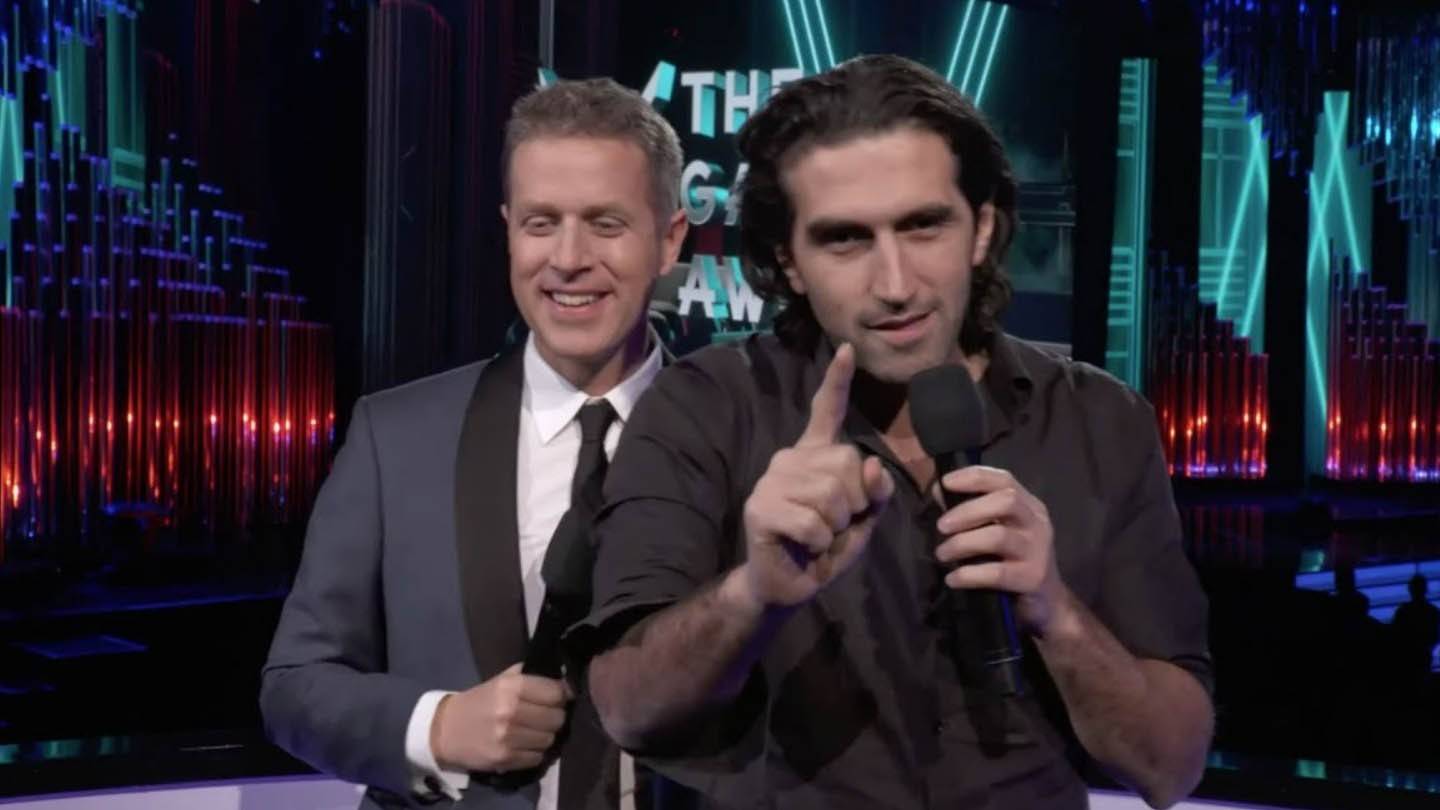
Not all players have welcomed the creative direction of Split Fiction, the latest cooperative adventure from Josef Fares, the visionary behind It Takes Two. The game's central narrative focuses on two female protagonists—a choice that has sparked both acclaim and controversy, with some detractors dismissing it as "feminist propaganda" in online debates.
True to his outspoken nature, Fares responded directly to the criticism with his signature blunt humor, reiterating his commitment to storytelling over political debates.
A Polarizing Narrative Choice
Split Fiction follows two women on an intimate, emotionally charged journey that has divided players. While many have praised its fresh gameplay and heartfelt storytelling, others have questioned the decision to feature female leads, framing it as ideologically motivated.
Some critics claimed the protagonist choice was needlessly political, triggering pushback from supporters who argue that diverse representation shouldn’t be controversial. The debate reflects broader tensions in media discourse around inclusion.
Josef Fires Back With Signature Wit
Never one to shy away from controversy, Fares offered a characteristically sharp retort. His response cut through the noise:
"Listen—in Brothers, I had two guys. In A Way Out—two guys. It Takes Two had a man and a woman. Now it's two women, and suddenly 'everyone’s freaking out.' I couldn’t care less what’s between your legs—what matters is good characters."
His rebuttal reinforces his storytelling-first philosophy. By stressing character quality over gender politics, Fares calls for critiques to engage with narrative substance rather than surface-level choices.
A Larger Cultural Conversation
The reaction to Split Fiction mirrors wider gaming debates around representation. For many, female-led narratives mark progress toward fairer storytelling—for others, they symbolize perceived overreach in diversity efforts.
Games like Split Fiction inevitably spark discussion by challenging conventions. Despite the backlash, its strong critical and player reception indicates that compelling characters—regardless of gender—continue to resonate.